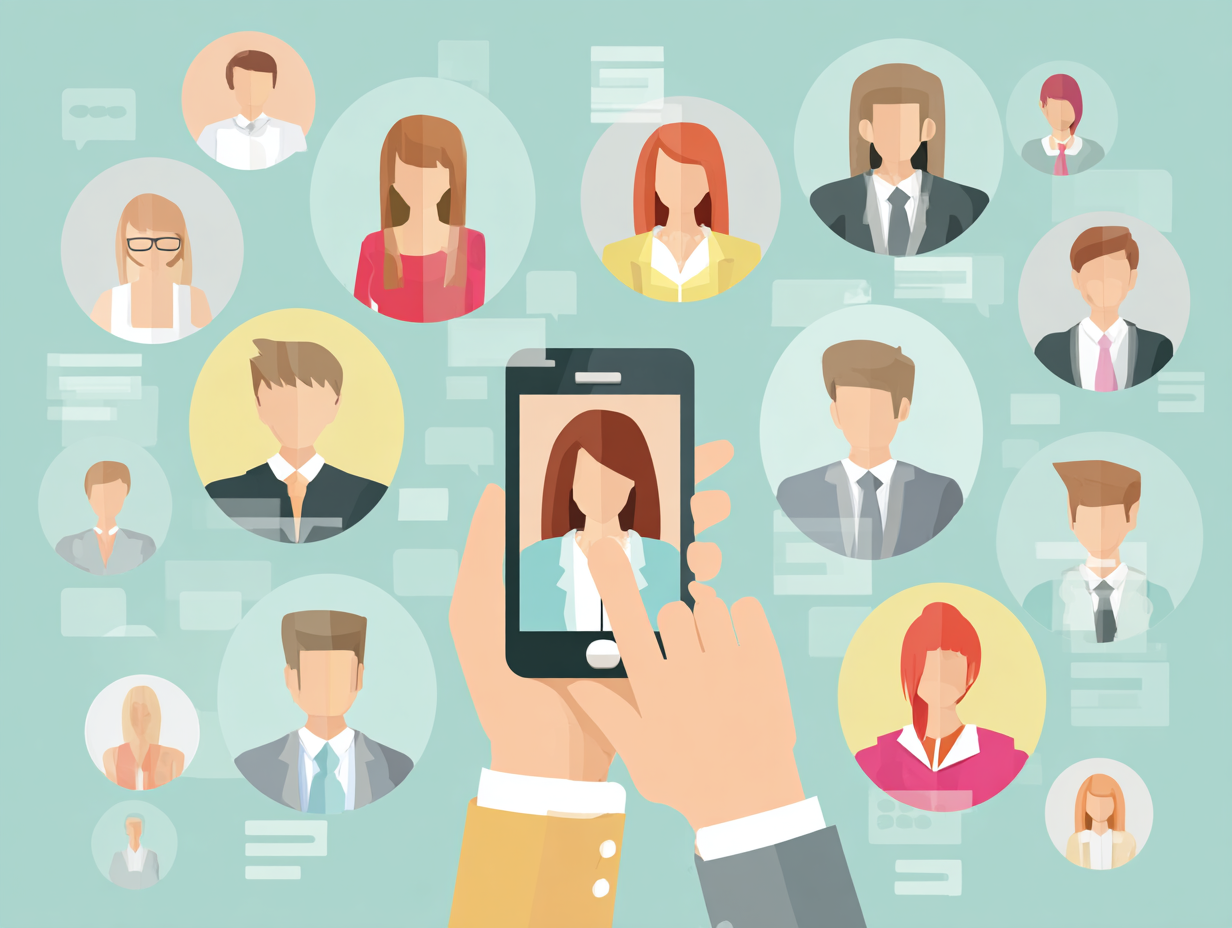
The era of generic marketing is ending. Customers expect messages that feel personal, timely, and relevant to them. For small businesses, that level of personalization once seemed impossible without a large marketing team. Now artificial intelligence is making it achievable for anyone willing to learn how to use it.
AI can analyze customer data, identify behavior patterns, and personalize messages across email, social media, and ads. The result is outreach that feels like a conversation, not a campaign.
How AI Turns Data into Personalized Marketing
1. Smarter Customer Insights
AI can review purchase histories, website activity, and engagement metrics to uncover what truly drives customer interest. Instead of guessing what your audience wants, you can make decisions grounded in facts.
Example: Tools such as HubSpot AI, Zoho CRM AI, and Mailchimp Predictive Segmentation analyze behavior to identify which contacts are most likely to buy or respond.
2. Dynamic Personalization in Real Time
With AI, personalization no longer stops at first names. It adapts content based on timing, device type, and customer behavior.
Example: A fitness studio can automatically send different class promotions based on each client’s preferred workout schedule or past attendance.
3. Predictive Timing for Outreach
AI tools can recommend when to send emails, launch ads, or post on social media based on engagement history. The same message delivered at the right moment can increase response rates dramatically.
4. Automated Copywriting That Learns from Data
Systems such as ChatGPT for Business or Copy.ai for Teams can write promotional text using your brand’s tone, then adjust over time based on open rates and click performance. The more data they process, the sharper and more aligned the messaging becomes.
Recommended Best Practices
Based on publicly available marketing research and AI platform guidelines:
- Centralize your customer data. Use one CRM or marketing platform that combines sales, email, and website analytics so the AI can access a complete view of your audience.
- Set clear campaign goals. Tell your AI tools what outcome you want—such as repeat sales, sign-ups, or engagement—so they can optimize accordingly.
- Monitor performance weekly. Review analytics and fine-tune prompts or settings based on what converts best. AI works best when humans stay involved.
- Respect privacy laws. Always comply with GDPR, CAN-SPAM, and other regional data regulations. Use transparent opt-in processes and avoid over-personalization that feels invasive.
- Start small and scale up. Test one channel, such as email personalization, before expanding to ads or multi-platform campaigns.
Why This Matters for Small Businesses
AI levels the playing field. A local retailer can now use the same predictive technology that global brands rely on, often built into tools they already use. Personalized outreach increases conversions, builds stronger loyalty, and makes every marketing dollar go further.
Learning to combine AI personalization with real customer data turns marketing into a measurable system rather than a guessing game. For small business owners, this shift means less waste, more connection, and growth driven by insight instead of intuition.
The Bottom Line
To maximize your marketing impact, start treating data as your guide and AI as your creative assistant. The combination delivers something traditional marketing never could—communication that feels both personal and scalable.
When used responsibly, AI gives every small business the power to speak directly to its customers with precision, authenticity, and purpose.


Leave a Reply